

Integrated Soda Production Line EPC Engineering at Suzhou CMT: From Process Choice to Commissioning
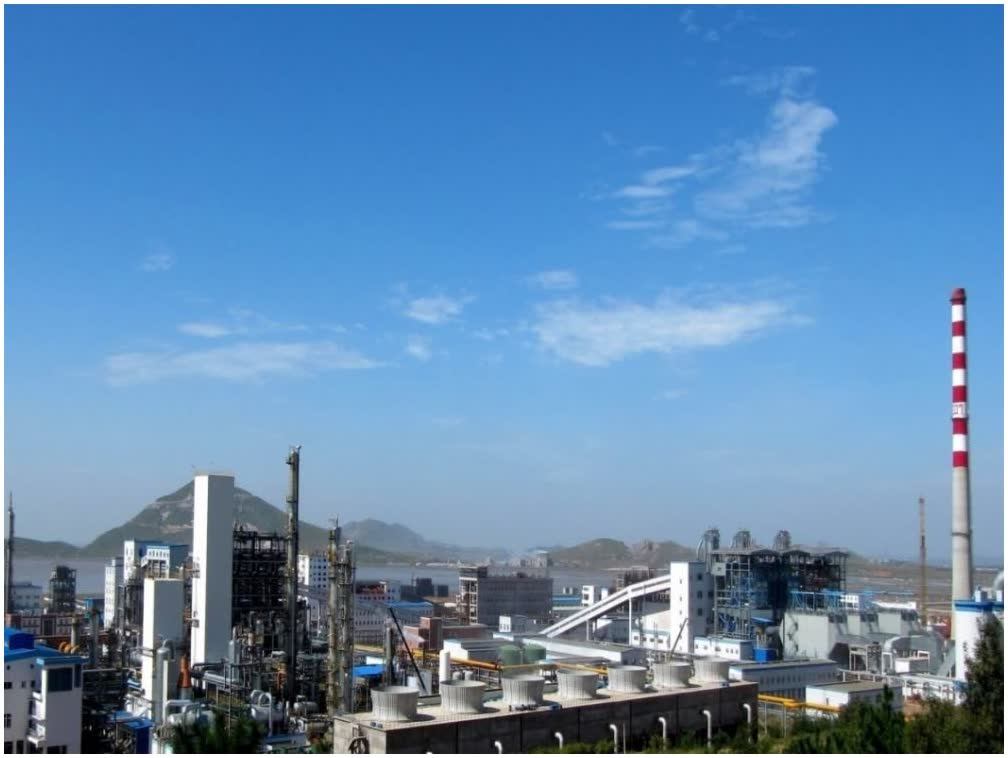
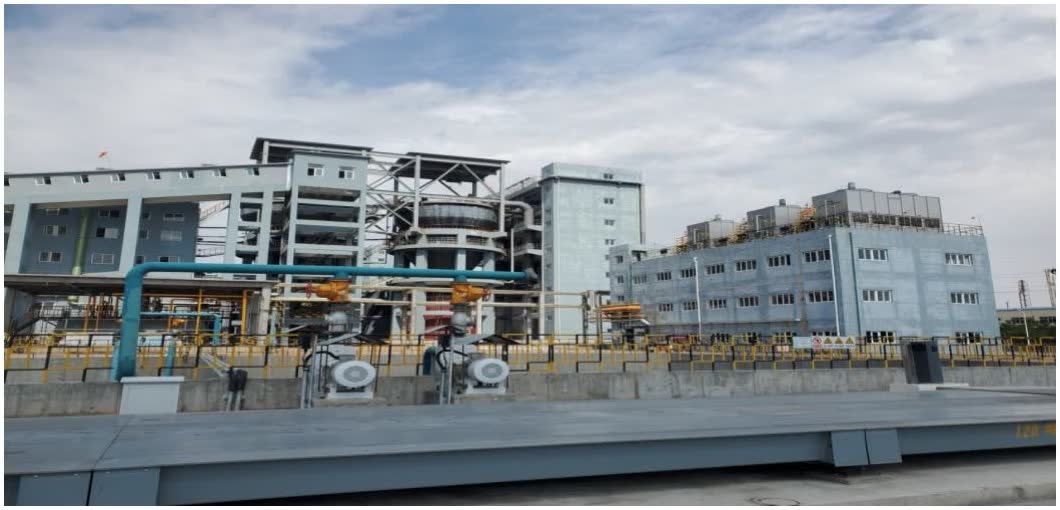
Sodium carbonate serves as an indispensable basic chemical across container glass manufacturing, detergent synthesis, metallurgy, and municipal water treatment. In world-scale commercial operations, overall plant profitability depends on maintaining precise stoichiometric balances between ammonia, carbon dioxide, and sodium chloride. Modern engineering approaches focus on maximizing salt conversion rates, recovering low-grade reaction heat, and minimizing solid and liquid waste streams across all battery limits.
Evaluating Chemical Process Routes: Solvay Versus Hou Methods
Selecting the appropriate chemical synthesis route establishes the operational boundary conditions for the entire manufacturing complex. Plant sponsors must assess regional raw material availability, utility pricing, and regional byproduct off-take markets before committing capital to a specific process architecture.
Solvay Ammonia-Soda Process: Relies on limestone calcination and saturated salt brine, recycling ammonia while generating calcium chloride effluent. It suits industrial locations with abundant limestone deposits, low brine extraction costs, and established marine or deep-well effluent discharge infrastructure.
Hou Combined Soda-Ammonia Process: Integrates synthetic ammonia synthesis directly with sodium carbonate production, reacting carbon dioxide with ammoniated brine. It co-produces high-purity ammonium chloride fertilizer, eliminating calcium chloride waste entirely and achieving superior carbon atom economy.
Feedstock and Utility Balance: Solvay facilities demand substantial thermal energy for ammonia recovery distillation strippers, whereas Hou facilities require reliable upstream synthesis gas networks and proximity to regional agricultural fertilizer markets.
When ammonium chloride markets offer stable margins, the Hou process delivers a fifteen to twenty percent operating margin advantage by eliminating waste treatment expenses. Conversely, where coal or natural gas costs are favorable and synthetic ammonia infrastructure is absent, the classic Solvay method remains the standard choice for world-scale manufacturing. Process design teams model reaction equilibria to determine optimum carbonation column pressures and cooling profiles. Proper temperature staging prevents premature bicarbonate precipitation in top column sections, maintaining maximum mass transfer rates and preventing cooling coil fouling.
Raw salt dissolution requires specialized saturation pits equipped with mechanical agitation to produce raw brine containing over three hundred grams per liter of sodium chloride. Downstream chemical treatment combines sodium hydroxide and sodium carbonate dosing to precipitate trace calcium and magnesium ions prior to primary clarification.
Core Equipment Engineering: From Brine Purification to Heavy Soda Calcination
A resilient soda production complex requires robust mechanical integration across five continuous chemical processing stages. Each unit operation must accommodate corrosive process fluids and thermal stress while maintaining continuous round-the-clock availability.
Raw Brine Purification: Chemical precipitation and clarifying filters remove calcium and magnesium ions, protecting downstream absorption towers from severe mineral scaling and heat transfer resistance.
Carbonation Towers: Tall counter-current contact columns absorb carbon dioxide into ammoniated brine under controlled cooling, precipitating uniform sodium bicarbonate crystals with narrow size distributions.
Solid-Liquid Separation: Continuous rotary vacuum drum filters wash and dewater crystal slurries, maintaining residual cake moisture below target thresholds to reduce dryer thermal loads.
Steam Tube Rotary Calcination: Indirect steam-heated calciners operate between 180°C and 200°C, converting sodium bicarbonate into light soda ash while liberating concentrated carbon dioxide off-gas for gas scrubbing and recycling.
Heavy Soda Ash Densification: Solid-phase monohydrate hydration and secondary rotary calcination convert light soda ash into dense granules with bulk densities between 0.9 and 1.0 g/cm³.
Dense soda ash prevents abrasive airborne dust carryover in high-temperature glass melting furnaces, ensuring premium market pricing and meeting rigorous container glass specifications. Controlling crystal moisture and residence time inside the hydration mixer prevents agglomerate lump formation and ensures uniform product flowability. Rotary vacuum filters utilize specialized synthetic polypropylene cloth media resistant to alkaline chemical degradation and mechanical wear. Automated cloth washing systems eliminate salt cake blinding, preserving consistent filtration rates during extended continuous operating campaigns.
Calciners feature internal steam tube bundles constructed from heavy-wall carbon steel or specialized alloy tubing rated for continuous thermal cycling. Dynamic mechanical seals maintain airtight drum boundaries, preventing atmospheric air ingress and preserving the purity of liberated carbon dioxide streams destined for upstream carbonation columns. Pneumatic dense-phase conveying systems transfer finished granular soda ash from cooler outlets to bulk storage silos without particle degradation. Integrated baghouse dust collectors capture fine particulates, maintaining clean operating environments and ensuring full compliance with international occupational dust exposure standards.
Turnkey EPC Delivery and Commissioning Governance
Delivering a multi-tier chemical manufacturing complex demands unified project management across civil engineering, mechanical fabrication, piping networks, and electrical automation disciplines. Through coordinated multi-base fabrication facilities and certified field engineering supervision, Suzhou CMT delivers complete engineering, procurement, and construction packages compliant with international ASME pressure vessel, CE machinery safety, and ISO 9001 quality standards. Factory acceptance testing confirms rotating drum dynamic balance, hydraulic seals, automated emergency dump valves, and distributed control system programming prior to ocean dispatch. Coordinated shop pre-assembly reduces on-site field welding hours and eliminates costly fit-up modifications during critical installation paths.
Project managers oversee structural steel erection, piping spool hydro-testing, and refractory lining curing under strict quality inspection plans. Implementing standardized quality hold points guarantees that every pressure boundary meets non-destructive testing requirements before insulation cladding is installed. Central control rooms feature redundant distributed control systems that continuously monitor process temperatures, column differential pressures, and slurry flow rates. Automated interlocks protect rotating equipment by executing orderly emergency sequence shutdowns whenever critical operating parameters exceed predetermined safety limits.
Commissioning Protocols and Operational Handoff
Structured commissioning mitigates early operating hazards and protects capital equipment during initial thermal cycles. Systematic phased execution ensures a smooth transition from mechanical completion to stable commercial throughput.
Water Runs and Thermodynamic Balancing: Piping networks undergo hydrostatic flushing and steam circulation to verify heat exchanger duties, pump head curves, and pneumatic control valve response loops.
Ammoniated Brine Saturation: Absorption towers establish steady-state gas-liquid ratios under automated pressure control, verifying ammonia recovery scrubber efficiencies.
Performance Guarantee Testing: Continuous seventy-two-hour trial runs verify daily nameplate tonnage throughput, steam consumption ratios per ton of soda, and chemical purity guarantees.
Comprehensive classroom instruction and hands-on control room simulator training prepare local plant operators for emergency shutdown procedures, routine filter maintenance, and process upset recovery. Detailed operating manuals outline standard operating parameters and preventative maintenance schedules for all critical rotating assets. Establishing local spare parts inventories for critical wear components, including slurry pump mechanical seals and rotary valve liners, prevents extended unplanned downtime during early commercial campaigns. Structured technical handoff protocols provide ongoing remote engineering consultation during the first year of continuous commercial production.
Plant investment teams and chemical engineering committees can review technical specifications and project frameworks directly at https://www.cmtproject.com/ to evaluate verified plant designs.
Suzhou CMT Engineering Co., Ltd.
Suzhou CMT Engineering Co., Ltd.
Legal Disclaimer:
EIN Presswire provides this news content "as is" without warranty of any kind. We do not accept any responsibility or liability for the accuracy, content, images, videos, licenses, completeness, legality, or reliability of the information contained in this article. If you have any complaints or copyright issues related to this article, kindly contact the author above.
