

Top Lotion Pump Manufacturer Shantou Rongsen Advances Custom Dispensing Solutions
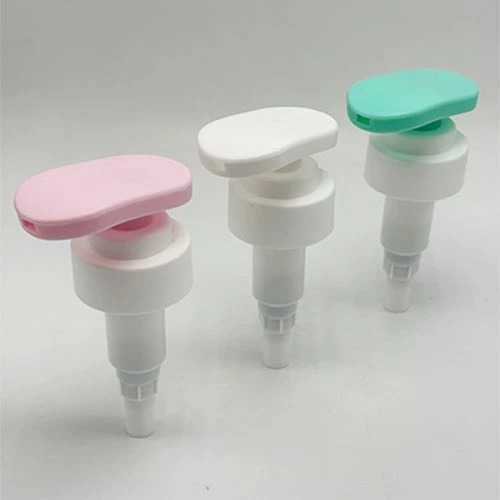
Arc-shaped Lotion Pump
GUANGZHOU, GUANGDONG, CHINA, October 26, 2026 /EINPresswire.com/ --
Shantou Rongsen Dispensing Pump Co., Ltd. is a manufacturer of plastic dispensing components and cosmetic packaging solutions serving personal care, beauty, household cleaning, and related consumer product markets. Established in 2006, the company has developed a product portfolio covering lotion pumps, cream pumps, foam pumps, fine mist sprayers, oil pumps, airless pumps, and plastic caps. As brands continue to refine their packaging to improve convenience, dispensing consistency, and product presentation, pump manufacturers are playing an increasingly important role in connecting packaging design with everyday consumer use. Shantou Rongsen Dispensing Pump Co., Ltd. offers products such as Cream Pump and Oil Soap Dispenser, supporting customers seeking dispensing components for different liquid and semi-liquid formulations.
Dispensing pumps are essential packaging components for many products used in daily routines. They allow consumers to release controlled amounts of liquid or cream without pouring directly from a container. In personal care applications, pumps are commonly used for lotions, shampoos, conditioners, facial cleansers, hand soaps, and body washes. In household care, they can be applied to liquid detergents, dishwashing products, and other formulations that require convenient dispensing.
Although a pump may appear to be a small component, its performance can influence the overall user experience. The pump needs to match the viscosity and characteristics of the formula, fit securely onto the bottle, and deliver a suitable amount of product when activated. Design details such as actuator shape, closure dimensions, dip-tube length, locking mechanism, gasket selection, and spring configuration can all affect compatibility and performance.
For brands and packaging buyers, choosing a lotion pump manufacturer therefore involves more than selecting a visually attractive product. It requires evaluating the pump's specifications, compatibility with the container, dispensing output, material composition, reliability, and suitability for the intended market. Suppliers that offer multiple pump styles and customization options can help buyers compare packaging configurations during product development.
Shantou Rongsen Dispensing Pump Co., Ltd. presents a broad selection of dispensing products through its public catalog. Its product categories include lotion pumps, cream pumps, oil soap dispensers, airless pumps, fine mist sprayers, foam pumps, and detergent caps. The range serves several packaging applications, allowing buyers to explore different dispensing mechanisms within a related product portfolio.
Cream Pump products are particularly relevant to cosmetics and personal care packaging. Creams and thicker skincare formulations can require dispensing components designed to handle a different flow behavior from lower-viscosity liquids. The pump's internal passageways, piston or stem design, spring mechanism, and outlet structure all influence how the formulation moves through the system. A suitable pump should be evaluated with the actual product formula rather than selected solely on appearance or nominal size.
Shantou Rongsen Dispensing Pump Co., Ltd. lists cream pumps in several designs and sizes, including compact cosmetic pumps and treatment-style dispensers. Its published catalog includes examples such as a small cosmetic lotion dispenser, a 20/410 cosmetic cream pump, and other cream pump configurations. These variations can support different bottle formats and product presentations, subject to the specifications of each model.
The selection of a Cream Pump usually begins with the formulation and bottle requirements. Buyers need to consider product viscosity, the desired amount dispensed per stroke, bottle-neck dimensions, closure type, dip-tube length, and the intended dispensing orientation. Formulations containing oils, fragrances, or other ingredients may also require compatibility testing with the materials used in the pump. This is particularly important for products that will remain in contact with the packaging component over an extended period.
Dispensing output is another factor in packaging development. A pump designed to deliver a relatively small amount per stroke may suit a concentrated skincare product, while a higher-output design may be preferred for body lotion or other products used in larger quantities. However, output figures alone do not determine suitability. Priming behavior, ease of actuation, product recovery, leakage resistance, and consistency over repeated use should also be considered during sample evaluation.
Pump locking mechanisms can influence both convenience and transport safety. Depending on the design, a pump may use a screw-lock, clip-lock, down-lock, or another mechanism to help prevent unintended dispensing. The appropriate option depends on how the product will be used, stored, packed, and shipped. Buyers should verify the locking method and conduct packaging tests to confirm that the pump remains secure under expected handling conditions.
Another product category is Oil Soap Dispenser. Oil pumps and soap dispensers serve applications where controlled delivery and convenient operation are important. Depending on the model, these products may be intended for liquid soap, oils, or other compatible formulations. The product's intended use should be confirmed before selection because not all pumps are suitable for every liquid, and performance can vary according to viscosity, chemical composition, and dispensing requirements.
Shantou Rongsen Dispensing Pump Co., Ltd. lists oil soap dispensers and essential-oil dispensing pump products in its public catalog. These products can be relevant to businesses developing personal care, beauty, household, or other consumer packaging. For buyers considering an Oil Soap Dispenser, important specifications may include the neck finish, dispensing output, closure design, material composition, tube length, and compatibility with the packaged liquid.
Oil-based formulations can present different packaging challenges from water-based products. Their viscosity, ingredient composition, and potential interaction with plastic materials need to be considered during compatibility assessment. Depending on the formula, buyers may need to evaluate whether the pump materials, seals, and internal components maintain their performance during storage and repeated dispensing. Testing with the intended formulation can help identify potential issues before large-scale production.
The physical design of the dispenser also affects how consumers handle the package. A comfortable actuator, stable bottle connection, and predictable dispensing action can support ease of use. For retail brands, the pump's shape, color, and surface finish may also contribute to the visual identity of the finished product. These factors make dispensing components part of the broader packaging design process rather than merely functional accessories.
Material selection is a central consideration in pump manufacturing. Plastic components are commonly used because they can be molded into detailed shapes and produced in a variety of colors and finishes. Polypropylene and polyethylene are among the materials used in dispensing packaging, although the exact materials vary by component and product design. Springs, seals, balls, and other internal parts may use different materials depending on the mechanism and intended application.
Shantou Rongsen Dispensing Pump Co., Ltd. states that its manufacturing operations include injection molding, automatic assembly, mold-making equipment, and quality-control devices. The company also describes its production lines as operating in enclosed environments designed around GMP standards. These capabilities are relevant to the manufacture of plastic dispensing components, where consistent dimensions and repeatable assembly are important to product performance.
Injection molding allows manufacturers to produce pump components in defined shapes and dimensions. Automatic assembly can support repeatability across large production runs, while inspection equipment helps assess selected product characteristics. The precise process depends on the pump design, material, and production requirements. For buyers, understanding the supplier's manufacturing scope can help clarify which components are produced in-house and which may be sourced from other suppliers.
Quality control is especially important for dispensing pumps because their performance depends on several interacting components. A pump may need to be checked for dimensions, assembly integrity, dispensing output, actuation, leakage, locking performance, and compatibility with the intended bottle. The appropriate inspection plan depends on the product specification and the customer's quality requirements. Where pumps are used for cosmetics or household formulations, testing with the actual packaged product can provide additional information about long-term compatibility.
The company reports that it holds ISO 9001:2015 quality management system certification. This certification relates to the organization's quality management system and should be considered alongside product-specific inspection records, testing procedures, and technical documentation. Buyers should confirm the current validity and scope of certificates and request any additional documents needed for their intended market or application.
Customization is another important part of the dispensing pump market. Brands may need particular colors, closure sizes, output levels, actuator shapes, tube lengths, or packaging combinations to support their product positioning. Some customers also require components that coordinate visually with custom bottles and labels. The feasibility of each change depends on the existing mold design, technical constraints, order volume, and development schedule.
Shantou Rongsen Dispensing Pump Co., Ltd. describes its services as including OEM and ODM support. According to its public product information, selected pump specifications can be customized, including color and dip-tube length. The company also indicates that its product development team works on new designs based on customer requirements. Buyers planning customized components should provide clear technical drawings or reference samples where available and confirm the development process, tooling arrangements, sample approval, and production lead time.
Packaging compatibility should be addressed early in product development. A pump's nominal closure size must match the bottle neck finish, but matching dimensions alone may not guarantee an effective seal. The complete packaging system should be evaluated for leakage, dispensing function, stability, and performance during transport and storage. For products shipped internationally, vibration and handling tests can help assess whether the closure and locking mechanism remain secure.
For export-oriented brands, production planning and logistics are also part of supplier evaluation. Buyers may need consistent supply across multiple product launches, predictable lead times, and packaging arrangements that protect components during shipment. Order quantity, carton configuration, labeling, and inspection requirements should be agreed upon before production begins. Clear communication helps ensure that the supplied products match the approved samples and purchase specifications.
Shantou Rongsen Dispensing Pump Co., Ltd. reports that its products are sold to international markets, including the United States, New Zealand, South Korea, Australia, Thailand, Japan, and Malaysia. Customers sourcing dispensing components for these or other markets should verify the product requirements that apply to the finished formulation and packaging. Regulatory obligations can differ according to the product category, ingredients, claims, and destination market, so pump specifications alone do not establish compliance of the complete packaged product.
The company's location in Guangdong Province places it within one of China's established manufacturing regions. For international buyers, geographic location can be relevant to transport planning and supplier communication, but it is only one part of the sourcing decision. Manufacturing capacity, technical support, product consistency, customization, documentation, and delivery performance also influence whether a supplier meets a project's requirements.
As personal care and household product brands continue to compete through formula development and packaging design, dispensing systems remain an important element of product usability. A well-matched pump can help provide convenient application, while the right closure, material, and locking design can support the practical needs of storage and distribution. For both Cream Pump and Oil Soap Dispenser products, the most appropriate choice depends on the packaged formula, bottle design, and intended use.
Shantou Rongsen Dispensing Pump Co., Ltd. brings together multiple dispensing product categories, including lotion pumps, cream pumps, oil soap dispensers, foam pumps, airless pumps, and fine mist sprayers. Its product range provides buyers with different options for developing packaging systems across beauty, personal care, and household product applications. By reviewing specifications, requesting samples, and confirming compatibility before production, buyers can make more informed decisions about the dispensing components used in their finished products.
About Shantou Rongsen Dispensing Pump Co., Ltd.
Shantou Rongsen Dispensing Pump Co., Ltd., also presented on its website as Shantou City Rongsen Dispensing Pump Co., Ltd., is a Chinese manufacturer and supplier of plastic dispensing pumps and cosmetic packaging components. Established in 2006, the company focuses on lotion pumps, cream pumps, oil pumps, foam pumps, fine mist sprayers, airless pumps, plastic caps, and related packaging products. Its products are intended for applications that include lotions, shampoos, body washes, facial cleansers, hand soaps, detergents, and other compatible formulations.
The company states that its manufacturing capabilities include injection molding, automatic assembly, mold development, and quality-control equipment. It also describes OEM and ODM services for customers seeking customized dispensing solutions and reports ISO 9001:2015 quality management system certification. Available specifications and customization options vary by product model and should be confirmed directly with the company.
For additional information about its product catalog, manufacturing capabilities, and customized packaging services, business customers can visit [www.rs-sprayer.com]. Buyers are encouraged to confirm current product availability, materials, closure dimensions, dispensing output, sample requirements, minimum order quantities, certification documentation, and delivery terms before placing an order.
Address: North Tongda Creative Park, Helong Street, Baiyun District, Guangzhou city, Guangdong Province, PR.China.
Official Website: https://www.rs-sprayer.com/
James Yuan
Shantou Rongsen Dispensing Pump Co., Ltd.
sales1@gf21.net
Legal Disclaimer:
EIN Presswire provides this news content "as is" without warranty of any kind. We do not accept any responsibility or liability for the accuracy, content, images, videos, licenses, completeness, legality, or reliability of the information contained in this article. If you have any complaints or copyright issues related to this article, kindly contact the author above.
